

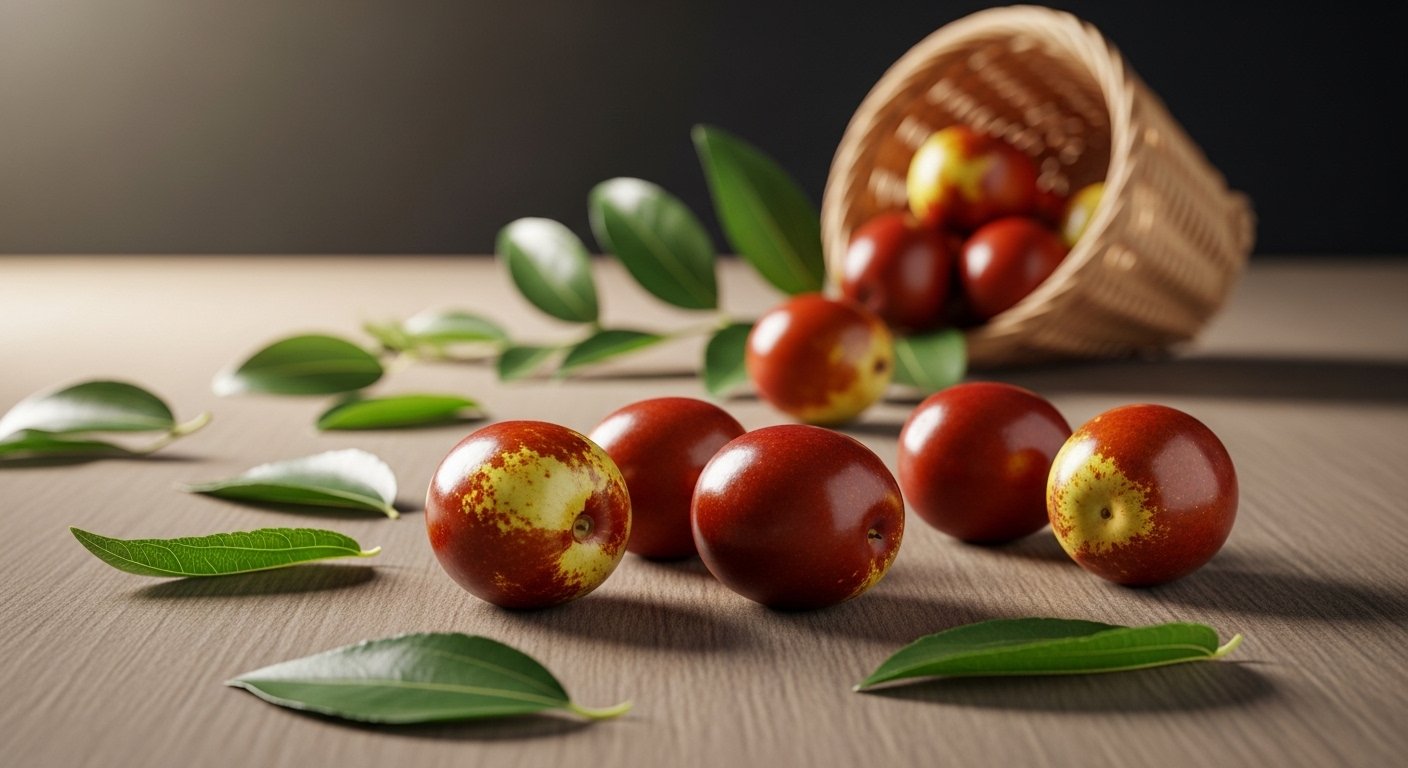
Early autumn in rural orchards often carries a quiet kind of excitement. Farmers move slowly between trees, brushing aside leaves to inspect small reddish fruits that look almost like miniature apples. At first glance they seem ordinary. Yet for centuries these fruits have been valued in traditional diets and herbal practices across Asia and parts of Europe. Locally known in parts of the Balkans as Žižole, the fruit is gaining attention far beyond its traditional roots.
The story of Žižole is not simply about nutrition. It is about how an ancient fruit from the tree species Ziziphus jujuba has quietly built a reputation as one of nature’s most nutrient-dense foods. Long celebrated in regions of China and later embraced throughout the Mediterranean region, these small fruits are now appearing in conversations about functional foods, wellness trends, and even modern food innovation.
For entrepreneurs, health professionals, and food innovators, Žižole represent something more than a seasonal fruit. They illustrate how traditional ingredients can evolve into modern nutritional assets. As the global appetite for natural superfoods grows, Žižole offer a compelling example of how heritage foods can bridge ancient knowledge with modern science.
The Ancient Origins of Žižole
The cultivation of Žižole dates back thousands of years. Archaeological records suggest that the fruit was domesticated in Asia more than 4,000 years ago. Over time it became deeply woven into cultural traditions, agricultural practices, and medicinal systems.
In early agricultural societies, fruits that could survive harsh climates were particularly valuable. The tree that produces Žižole proved remarkably resilient. It tolerated drought, poor soil, and extreme temperature shifts. Farmers discovered that once planted, the trees required little maintenance yet produced generous harvests.
This durability helped the fruit travel across continents. Trade routes gradually carried the tree westward, eventually introducing it to the Mediterranean basin and parts of southern Europe. There, the fruit adapted easily, thriving in warm climates and rocky soils.
While many fruits depend on delicate growing conditions, Žižole demonstrated something unusual. They combined resilience with high nutritional value, a rare combination that helped sustain communities long before modern food systems existed.
What Exactly Are Žižole?
Žižole are small, oval fruits that start green and gradually turn red or deep brown as they ripen. When fresh, their texture resembles a crisp apple. Once dried, they develop a chewy consistency and a flavor often compared to dates.
The fruit grows on the jujube tree, a species known for both its longevity and productivity. Mature trees can produce fruit for decades, sometimes even a century. Because of this longevity, orchards often become multi-generational agricultural assets.
One reason Žižole have drawn renewed interest is their nutritional density relative to their size. Despite being small, the fruits contain a broad spectrum of vitamins, minerals, and bioactive compounds.
Nutrition researchers often describe them as a “functional fruit.” This means they offer benefits beyond basic nourishment. Their compounds support immunity, digestive health, and metabolic balance.
For modern consumers searching for natural sources of wellness, that combination is increasingly attractive.
Why Žižole Are Considered a Vitamin Powerhouse
The reputation of Žižole as a nutritional powerhouse largely comes from their impressive vitamin content. In particular, the fruit is known for exceptionally high levels of vitamin C.
Vitamin C plays a vital role in immune support, collagen production, and antioxidant defense. Many fruits contain it, but Žižole often rival or exceed common citrus sources depending on variety and growing conditions.
Beyond vitamin C, the fruit contains a range of micronutrients that contribute to overall health. These nutrients support everything from energy metabolism to cardiovascular wellness.
The combination of vitamins and plant compounds creates a nutritional profile that has attracted both researchers and health-conscious consumers.
Below is a simplified overview of the key nutrients typically associated with Žižole.
| Nutrient | Key Health Role | Why It Matters |
|---|---|---|
| Vitamin C | Immune support and antioxidant protection | Helps defend cells from oxidative stress |
| Potassium | Heart and muscle function | Supports healthy blood pressure balance |
| Iron | Oxygen transport in the blood | Important for energy and endurance |
| Fiber | Digestive health | Supports gut microbiome and regular digestion |
| Polyphenols | Natural antioxidants | May help reduce inflammation |
This combination explains why nutrition experts often refer to Žižole as a compact nutritional package.
Antioxidants and Natural Defense
Modern nutrition research frequently focuses on antioxidants. These compounds help neutralize unstable molecules known as free radicals, which can damage cells over time.
Žižole contain a variety of antioxidant compounds, including flavonoids and phenolic acids. These compounds contribute to the fruit’s ability to support cellular protection.
From a scientific perspective, antioxidant-rich foods are increasingly associated with healthy aging and reduced risk of chronic disease. While no single food is a cure-all, fruits like Žižole can contribute meaningfully to a balanced diet.
Interestingly, traditional cultures recognized many of these benefits long before modern science explained them. Herbal practitioners historically used the fruit to support relaxation, digestion, and overall vitality.
Today researchers continue exploring how these ancient observations align with modern biochemical insights.
The Role of Žižole in Traditional Wellness
Across Asia and parts of Europe, Žižole have long played a role in traditional wellness practices. The fruit appears in herbal teas, soups, and medicinal preparations.
In traditional Eastern medicine, it has often been used to support sleep quality, digestion, and stress balance. While modern research is still exploring these effects, early studies suggest the fruit contains compounds that may influence the nervous system.
This historical connection between food and wellness is part of what makes Žižole so fascinating. The fruit sits at the intersection of nutrition, agriculture, and cultural tradition.
For modern health industries, that intersection offers valuable lessons. Consumers increasingly seek foods that feel both natural and meaningful. Žižole embody that blend of heritage and health.
A Fruit Built for Sustainable Agriculture
One of the most overlooked strengths of Žižole is the tree’s environmental resilience. In an era where climate change is reshaping agriculture, crops that tolerate difficult conditions are becoming more important.
The jujube tree requires significantly less water than many fruit crops. It can grow in semi-arid regions and withstand temperature extremes that would damage more delicate orchards.
This resilience makes the fruit attractive to farmers exploring climate-adaptive agriculture. As water scarcity becomes a global challenge, drought-resistant crops may play a larger role in food systems.
From a business perspective, this durability also lowers long-term production risks. Orchards can remain productive with relatively low maintenance costs.
For entrepreneurs interested in sustainable food ventures, Žižole offer an example of how ancient crops may support future agricultural strategies.
The Rise of Žižole in Modern Food Innovation
In recent years, the global food industry has developed a strong appetite for “superfoods.” Ingredients once limited to regional diets now appear in international markets, wellness products, and specialty foods.
Žižole are gradually joining that movement.
Food innovators are experimenting with dried fruit snacks, powders, herbal beverages, and natural sweeteners derived from the fruit. Because the flavor is mild and slightly caramel-like, it blends well into both sweet and savory products.
Some startups are even exploring how the fruit’s natural sugars and nutrients can enhance functional foods designed for energy, immunity, and recovery.
For founders in the health and wellness sector, the appeal is clear. Consumers increasingly value ingredients with authentic cultural histories and real nutritional benefits.
Žižole provide both.
Global Demand and Market Potential
The expanding global market for natural health products has created new opportunities for fruits that were once considered regional specialties.
Health-conscious consumers are paying closer attention to ingredient lists. They want recognizable foods rather than heavily processed additives. That shift has created a pathway for traditional fruits to reach international audiences.
As awareness grows, Žižole are appearing in specialty markets, organic food stores, and online wellness platforms. While still less familiar than berries or citrus fruits, the trend line is upward.
For agricultural producers and food entrepreneurs, the opportunity lies in responsible expansion. Scaling production while maintaining quality and authenticity will be key to building trust with consumers.
History shows that foods rooted in tradition often perform best when introduced gradually and thoughtfully.
Culinary Uses Across Cultures
Another reason Žižole continue to endure is their versatility in the kitchen. Fresh fruits can be eaten directly from the tree, offering a crisp, refreshing flavor.
When dried, they develop a richer sweetness and become ideal for teas, desserts, and savory dishes.
In some culinary traditions, the fruit appears in slow-cooked broths that blend sweetness with herbal depth. In others, it becomes part of festive desserts or nutrient-rich snacks.
This adaptability makes the fruit attractive to modern chefs who enjoy experimenting with heritage ingredients. As culinary storytelling becomes more popular in restaurants and food media, traditional fruits like Žižole often find their way back into the spotlight.
Health Trends and Consumer Curiosity
Wellness culture has changed dramatically over the past decade. Instead of relying solely on supplements, many people are turning to whole foods as their primary source of nutrition.
This shift has created a surge of interest in fruits that offer both flavor and health benefits.
Žižole fit naturally into this movement. Their vitamin content, antioxidant profile, and long history of traditional use make them appealing to consumers searching for natural solutions.
At the same time, curiosity plays an important role. Foods with cultural stories tend to capture attention more effectively than anonymous health products.
When people discover that a small fruit has been valued for thousands of years, it adds a layer of authenticity that modern branding alone cannot replicate.
Challenges in Global Awareness
Despite their impressive nutritional profile, Žižole remain relatively unknown in many Western markets. Awareness often lags behind other superfoods that benefit from aggressive marketing.
Another challenge is supply consistency. Because the fruit is still primarily grown in specific regions, global distribution networks are still developing.
Education will likely play a central role in the fruit’s future growth. As nutritionists, chefs, and agricultural innovators highlight its benefits, public awareness will continue to expand.
This pattern has occurred many times in the food industry. Ingredients that were once obscure often become mainstream once their value is understood.
Žižole appear to be following a similar path.
Conclusion
The story of Žižole is ultimately a reminder that some of the most powerful nutritional discoveries are not new at all. They are ancient foods rediscovered by a modern world searching for balance between health, sustainability, and authenticity.
From their origins in traditional orchards to their emerging role in global food innovation, these small fruits demonstrate how heritage ingredients can remain relevant across centuries. Their vitamin-rich profile, antioxidant strength, and agricultural resilience position them as far more than a passing health trend.
For entrepreneurs, researchers, and consumers alike, Žižole represent an intersection of tradition and opportunity. They show how ancient crops can inspire modern solutions, especially in a world increasingly focused on natural nutrition and sustainable agriculture.
As awareness continues to grow, it is likely that this modest fruit will move from quiet orchards into a much larger global conversation about food, health, and the future of agriculture.